




Does Website Speed Actually Affect Your Google Rankings?
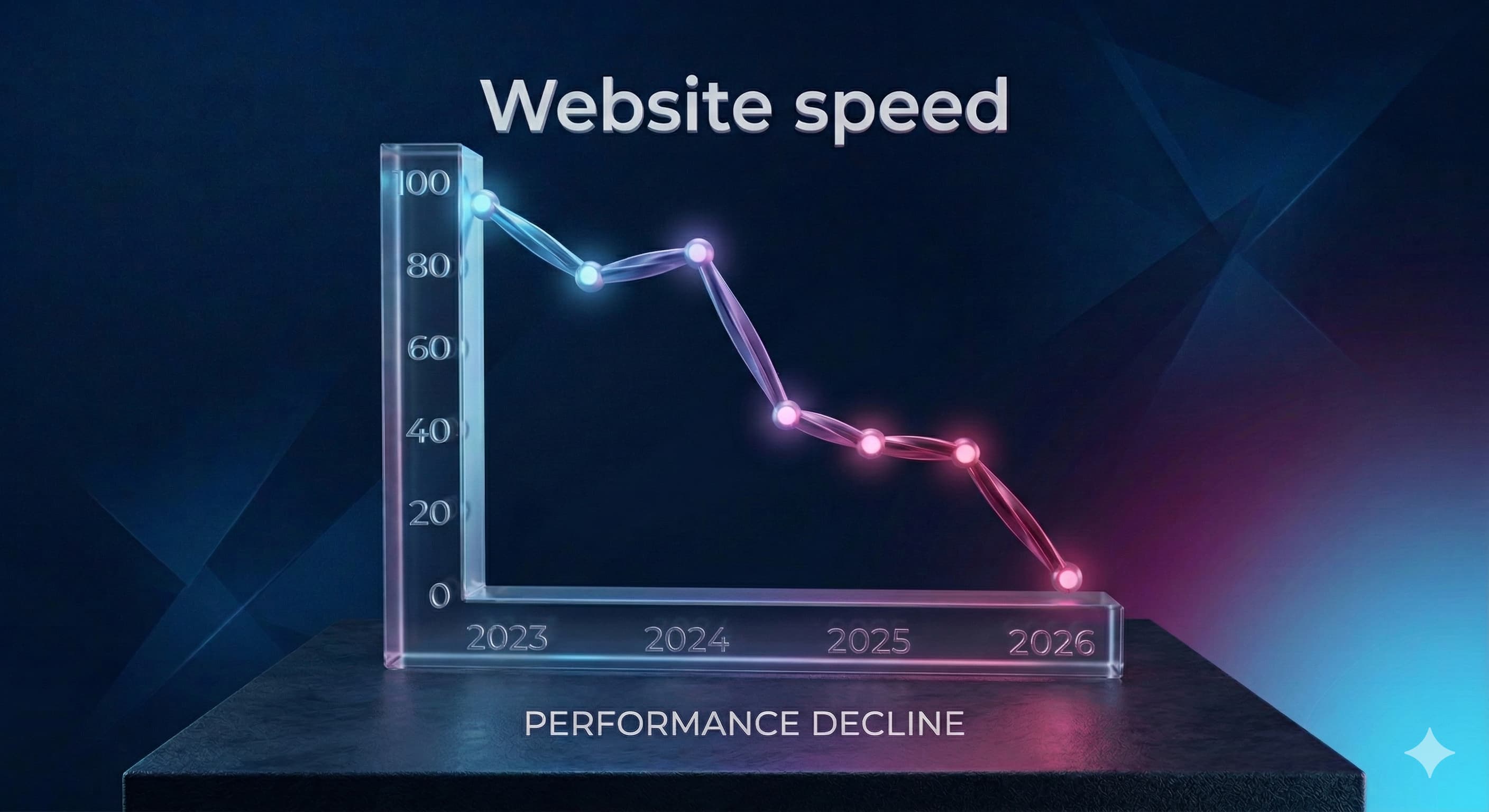
Short answer: yes. And if you're a business owner in Cambridge, Bury St Edmunds, or Ipswich wondering why your website isn't showing up on Google, this might be the culprit.
Let's cut through the noise and talk about what's actually happening when your site takes forever to load.
Google Has Confirmed It. Speed Matters.
This isn't speculation. Google has openly stated that page speed is a ranking factor, particularly through something called Core Web Vitals. These are metrics that measure how real users experience your website, not just how pretty it looks in a boardroom presentation.
Here's the kicker: Google now uses the mobile version of your website to determine your rankings. If your mobile site is slow, bloated, or awkward, that's the version Google judges. And with more than half of all web traffic coming from mobile devices, a sluggish mobile experience is basically an invitation for visitors to leave.
The Numbers Don't Lie
Research from Google shows that the probability of a visitor bouncing increases by 32% when page load time goes from one second to three seconds. Let that sink in. A two-second delay and you've lost nearly a third more visitors.
It gets worse. According to studies analysing millions of web pages, sites that load in one second have a bounce rate of around 7%. But push that to five seconds? The bounce rate jumps to 38%. That's more than five times as many people clicking away before they even see what you're offering.
And for every additional second of load time, conversion rates drop by an average of 4.42%. If you're running an online shop or trying to generate leads for your Cambridge or Ipswich business, that's money walking out the door.
What's Slowing Your Website Down?
If your site feels sluggish, there's usually a reason. Common culprits include:
Oversized images. That beautiful hero image on your homepage might look stunning, but if it's 5MB, it's killing your load time. Most visitors won't wait around to appreciate the pixels.
Too many plugins. Every plugin adds weight. Some WordPress sites we've seen have 30+ plugins running, half of which do nothing useful. It's like trying to run a marathon while carrying a rucksack full of bricks.
Cheap hosting. You get what you pay for. Budget hosting often means shared servers with hundreds of other websites, all competing for resources. When traffic spikes, your site grinds to a halt.
Bloated code. Fancy animations and unnecessary scripts might seem impressive, but if they're not optimised, they're dragging your site down.
No caching. Without proper caching, your server rebuilds the entire page from scratch for every single visitor. That's inefficient and slow.
Why This Matters for Local Businesses
If you're running a business in Bury St Edmunds, Cambridge, or anywhere in Suffolk and Cambridgeshire, you're competing with every other local business for those top Google spots. When someone searches "web design near me" or "marketing agency Cambridge," Google wants to show them sites that load quickly and provide a good experience.
A slow website tells Google (and your potential customers) that your business might not be up to scratch. Fair or not, people associate slow websites with unprofessional businesses. First impressions happen fast, and if your site takes four seconds to load, that impression isn't a good one.
What Should You Aim For?
Google recommends all website pages load within three seconds. For e-commerce sites, they suggest two seconds or less.
The average page speed for a site appearing on the first page of Google search results is 1.65 seconds. That's your benchmark. If you're nowhere near that, you've got work to do.
You can check your own site using Google's free PageSpeed Insights tool. It'll give you a score and a breakdown of what's slowing things down. Fair warning: if you've never looked at this before, the results might sting a bit.
How to Fix a Slow Website
Compress your images. Tools like TinyPNG or ShortPixel can reduce file sizes by up to 80% without noticeable quality loss.
Audit your plugins. Deactivate anything you're not using. For the ones you keep, make sure they're well-coded and regularly updated.
Upgrade your hosting. If you're on budget shared hosting, consider moving to a managed WordPress host or a VPS. The difference can be dramatic.
Enable caching. A good caching plugin stores static versions of your pages so they load instantly for returning visitors.
Minify your code. Remove unnecessary characters from your CSS, JavaScript, and HTML. Your visitors won't notice, but your load times will improve.
Use a CDN. A Content Delivery Network stores copies of your site on servers around the world, so visitors get served from the closest location.
If this all sounds like technical gibberish, that's okay. It's not your job to know the ins and outs of web performance. But it is important to know that this stuff matters, and that ignoring it is costing you visibility and customers.
Speed Is Just One Piece of the Puzzle
A fast website that doesn't convert is still a problem. Speed gets people through the door, but your messaging, design, and calls to action are what turn visitors into customers.
If your website isn't bringing in business, speed might be the issue. But it could also be confusing navigation, weak calls to action, or non-existent SEO. Often, it's a combination of all of the above.
We've written about common website mistakes that stop small businesses getting results before. If you haven't read it, it's worth a look.
Ready to Speed Things Up?
We build websites that don't just look good. They load fast, rank well, and actually convert visitors into customers. Whether you need a full rebuild or just a performance tune-up, we can help.
If you're a business in Cambridge, Bury St Edmunds, Ipswich, or anywhere in East Anglia and you're tired of your website underperforming, get in touch. Let's figure out what's holding you back and fix it.
See examples of our work | Find out what we do | Contact us
Sources:
- Google Page Experience Update and Core Web Vitals documentation
- First Page Sage: The 2025 Google Algorithm Ranking Factors
- Hostinger: Website Load Time Statistics (2026)
- Pingdom: Website Speed Test Analysis
- Portent: Page Load Time and Conversion Rate Study
- BBC: How the BBC Builds Websites That Scale